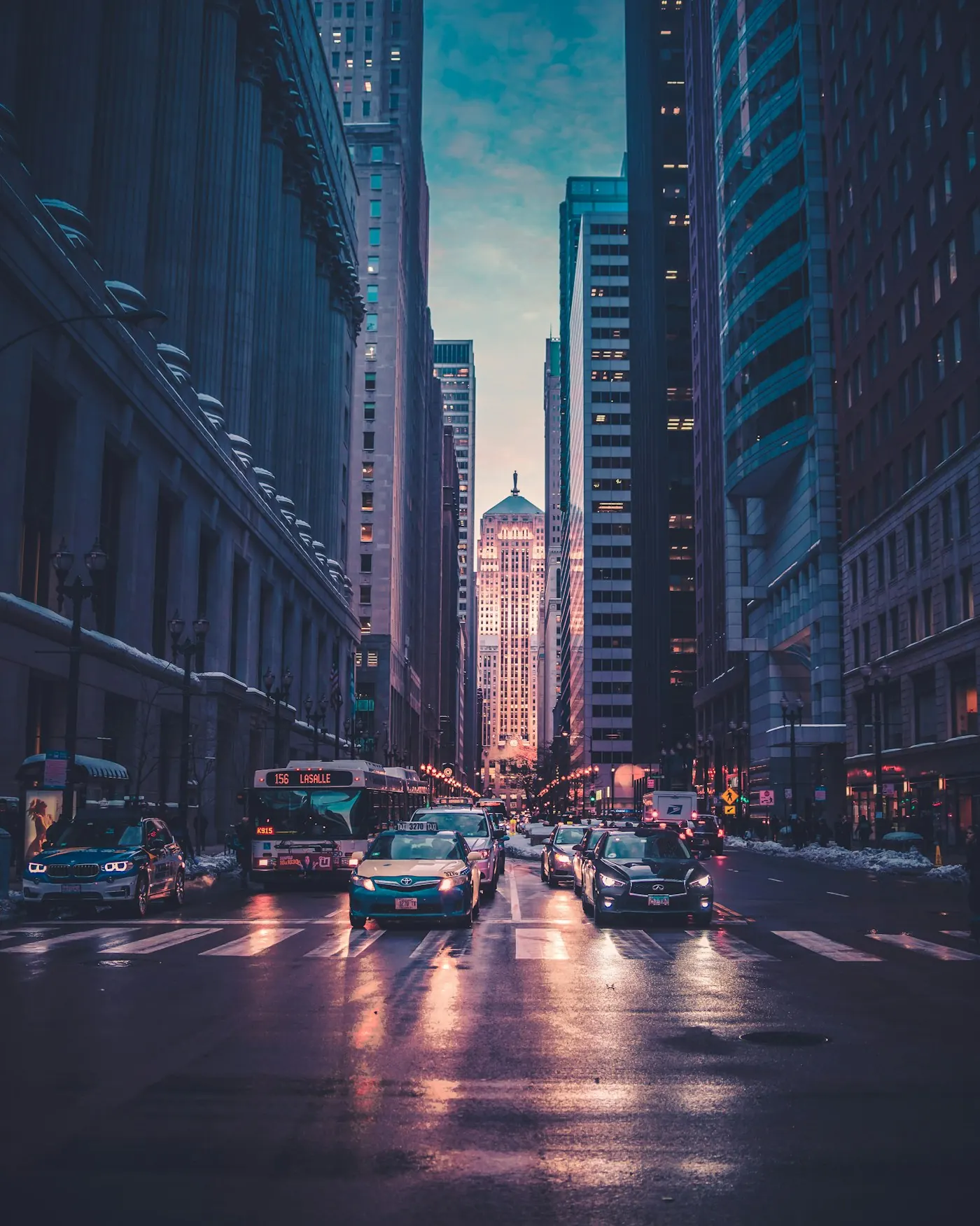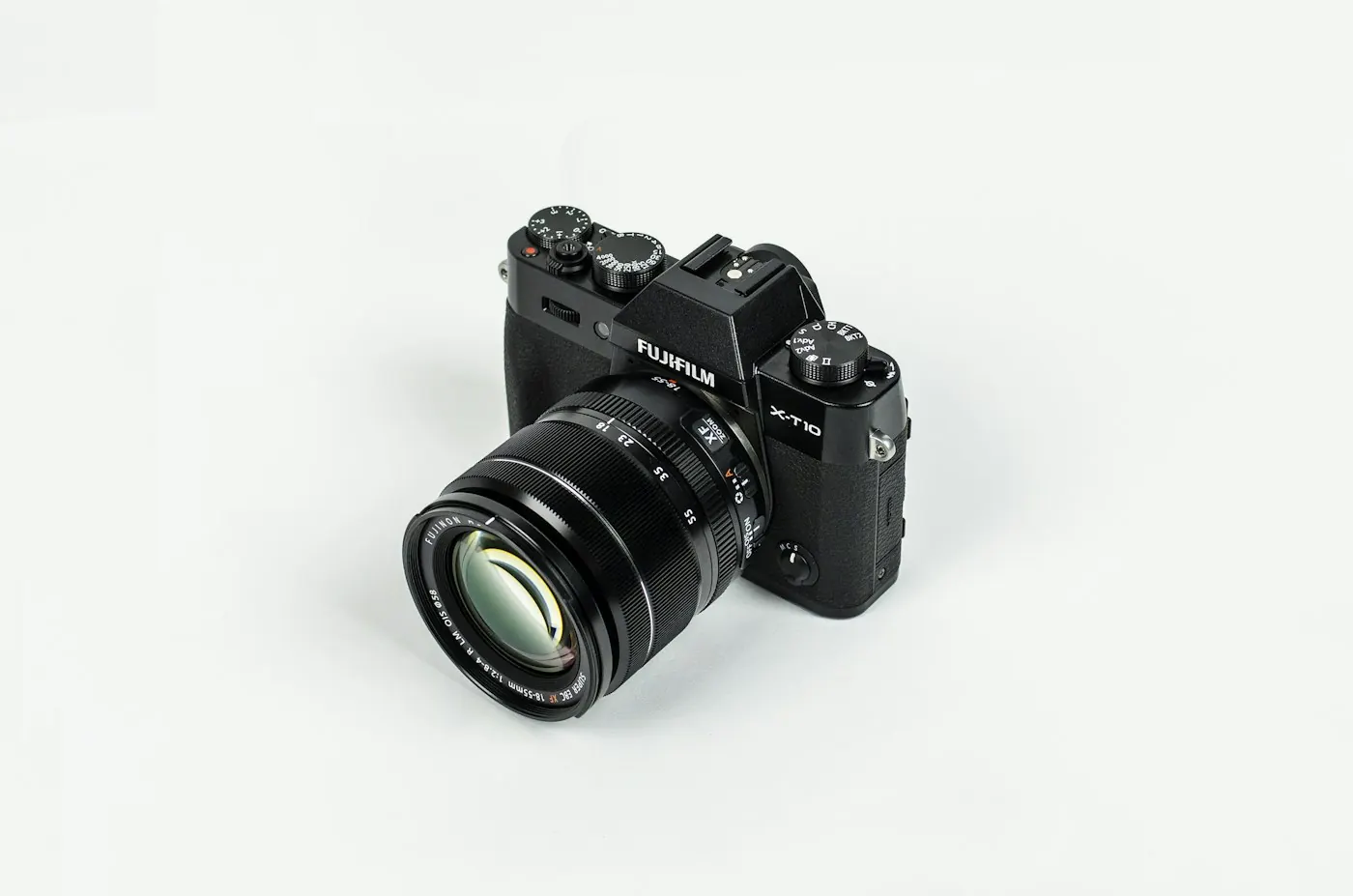
The color we see depends on the light reaching an object, the way the object reflects or transmits it, and our viewing conditions. A familiar item can look noticeably different beside a window and under an indoor lamp.
Compare the same object in two ordinary settings. Keep the object itself constant and notice the surrounding colors as well as the light source. A photograph introduces additional choices through exposure, processing, and the screen on which it is viewed.
This observation explains why choosing a color from a single picture can be difficult. The representation may be useful while describing only one situation. Seeing the change directly gives a simple question about color a richer physical context.
Picture this situation.
Consider looking at the same fabric beside a window and under a desk lamp. The lighting conditions are part of how its color appears.
A second way to look.
The scale of an observation shapes the story it can tell. A detail useful for one question may disappear when you ask about a larger pattern.
- Compare one object under two light sources.
- Notice the surrounding colors.
- Separate the object from its photographed appearance.
Follow a related question
Try the task with a keyboard.
The next web should remain usableBegin with the reader’s current task.
An explanation at the right momentKeep learning
Related background to continue exploring this subject.
NASA: science learning resources NIST: statistical engineering